
Architectural Shingle vs. Standing-Seam Metal: Real Cost and Lifespan for Missouri Homes
If you've already gotten quotes for both materials, you've probably noticed the gap: standing-seam metal costs more than architectural shingle, sometimes a lot more, and you're trying to work out whether that gap is worth paying. The short answer is that it depends on how long you plan to own the house and how much you value not thinking about your roof again for decades. Here's the real math for a Lake Saint Louis-area home, plus what each material does differently in Missouri hail and freeze-thaw weather.
Installed Cost: What Each Material Actually Runs
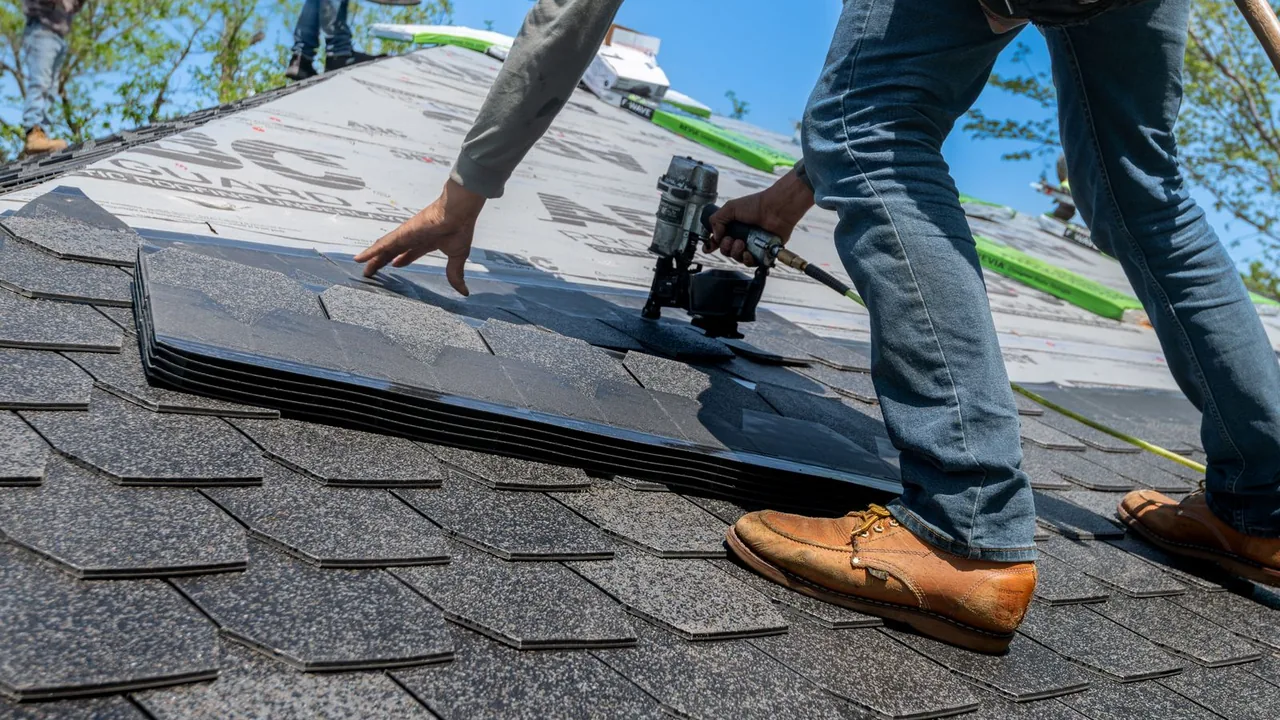
For a typical Lake Saint Louis-area home, architectural asphalt shingle replacement runs $9,000 to $17,500, moving up to $10,350 to $21,250 for impact-rated Class 4 shingle, which can also qualify for an insurance discount. Standing-seam metal typically runs $22,500 to $40,000 for the same size home. That puts metal at roughly two to two and a half times the cost of a standard shingle replacement, which lines up with national industry data showing the same general multiple between the two materials.
| Material | Installed Range | Expected Lifespan | Best For |
|---|---|---|---|
| Architectural asphalt shingle | $9,000–$17,500 | 25 to 30 years | Lower upfront cost, widest contractor availability |
| Impact-rated Class 4 shingle | $10,350–$21,250 | 30 years | Extra hail resistance, possible insurance discount |
| Standing-seam metal | $22,500–$40,000 | 50 years | Longest ownership horizon, lowest lifetime maintenance |
These are planning ranges, not quotes. Pitch, the number of old roofing layers coming off, chimneys, skylights, and roof complexity all move the final number in both directions, which is exactly why a free satellite estimate narrows the range to your specific home before anyone climbs a ladder.
Why the Price Gap Exists
The gap isn't just materials. Standing-seam panels are formed to precise, continuous lengths and installed by crews trained specifically on metal systems, which commands a different labor rate than shingle installation.
The payoff for that cost is in the assembly itself: standing seam uses concealed fasteners hidden under the raised seam rather than exposed screws through the panel face, so there's nothing on the exposed surface to back out, corrode, and start a leak over time the way exposed-fastener metal or aging shingle nails eventually can.
Lifespan: The Number That Actually Changes the Math
A 25 to 30 year architectural shingle roof and a 50 year standing-seam metal roof aren't just different products, they're different ownership plans. Over a fifty-year window, a shingle roof gets replaced roughly twice while a metal roof gets installed once. That reframes the comparison from “which roof is cheaper” to “which roof is cheaper per year you actually own it,” and the answer depends heavily on how long you're staying in the house.
- Staying under 10 years: Shingle almost always wins on total cost, since you won't be the one paying for the second replacement.
- Staying 15 to 25 years: The math tightens. You may face one shingle replacement in that window, which narrows metal's apparent premium.
- Staying 25+ years or building your forever home: Metal frequently comes out ahead or close to even once a second shingle replacement enters the calculation, before factoring in the lower maintenance metal requires along the way.
How Each Material Handles Missouri Hail and Freeze-Thaw
St. Charles County sits in one of the busier hail corridors in the country, and freeze-thaw cycles work at roofing materials every winter, so performance under both matters as much as the sticker price.
Architectural shingle is a proven, well-understood system here. It handles Missouri weather reasonably well, especially in the impact-rated Class 4 tier, but hail can still bruise the mat and shorten its working life, and repeated freeze-thaw cycles gradually work granule loss and seal breaks that eventually call for replacement inside that 25 to 30 year window.
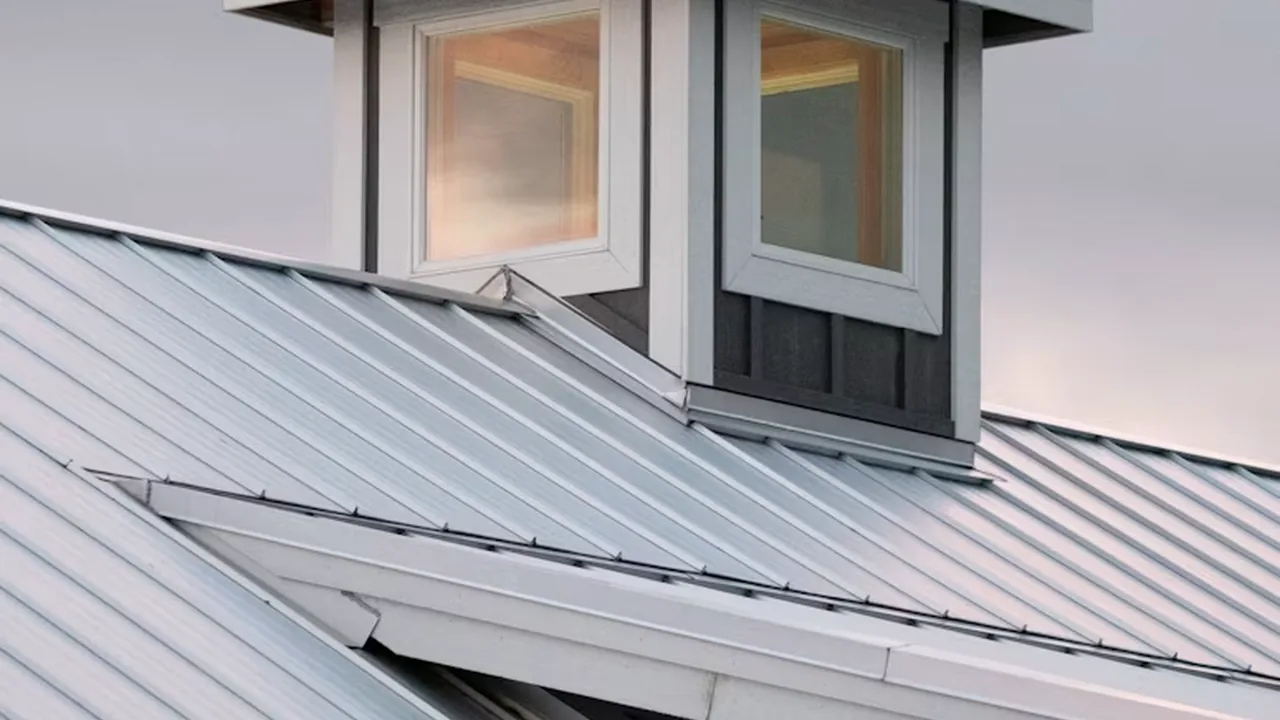
Standing-seam metal responds to hail differently. Rather than bruising or losing granules, a hail strike on quality metal typically leaves a small cosmetic dent without compromising the panel's ability to shed water, which is a meaningful difference if you've dealt with a hail claim on a shingle roof before. Metal also sheds ice and snow more readily than shingle, reducing the freeze-thaw cycling that works shingles loose at the seal strip over time.
Other Factors Worth Weighing Before You Decide
Insurance. Impact-rated shingle can qualify for a discount on some Missouri policies, and metal's hail resilience is sometimes recognized similarly. Ask your agent what your specific carrier offers for each material before you finalize a decision.
Resale value. In most non-coastal markets, buyers don't reliably price a metal roof's longevity premium into their offer the way they might a kitchen remodel, so if a near-term sale is part of your plan, factor that in.
Noise and aesthetics. A properly installed standing-seam system over solid decking and underlayment is not the loud tin roof people sometimes picture, but the look is distinctly different from shingle, and that's a personal call as much as a financial one.
Roof complexity. Metal favors simpler roof lines. A steep, heavily cut-up roof with many valleys and penetrations narrows metal's cost advantage because the specialized labor scales with complexity more than shingle labor does.
Frequently Asked Questions
Is standing-seam metal actually worth the extra cost?
It depends on your time horizon. If you're planning to own the home for 20 years or more, metal's single installation against two likely shingle replacements makes the math close or favorable. For a shorter hold, architectural shingle is the more cost-efficient choice.
Does metal roofing really last twice as long as shingle?
In practice, yes, for a quality standing-seam installation. Fifty years is a realistic expectation compared to 25 to 30 for architectural shingle, assuming both are installed correctly and maintained.
Can I install metal roofing over my existing shingles?
No, not on a proper installation. Every LSL roof, shingle or metal, gets torn off to the deck first, since shingling or panel work over old layers hides existing decking problems and voids most manufacturer warranties.
Does metal roofing cost more to insure or maintain?
Maintenance costs are typically lower over metal's lifespan since there's no granule loss or shingle replacement cycle to manage. Insurance impact varies by carrier, so it's worth a direct conversation with your agent about your specific policy.
Which material handles hail better?
Metal generally sustains cosmetic denting rather than the functional mat fractures that trigger shingle claims, though impact-rated Class 4 shingle narrows that gap considerably compared to standard shingle.
Get Both Numbers for Your Actual Roof
The ranges above are planning figures. Your roof's size, pitch, and complexity change both numbers, sometimes significantly. LSL Roofing gives Lake Saint Louis and St. Charles County homeowners a free satellite estimate for either material in minutes, followed by a firm written price once we confirm it on the roof.
Compare roof replacement and metal roofing side by side, or see our full roof cost guide for more on what drives the final number.
Free, photo-documented inspection and a firm written price. No pressure, no in-home sales pitch.