
The First 48 Hours After Hail Hits Your Roof: A St. Charles County Checklist
The two days right after a hailstorm decide how smooth or how frustrating your claim ends up being. Photograph the damage before cleanup starts, get a professional inspection before you call your insurer, and confirm the storm date while it's still easy to pin down. Miss that window and you're reconstructing a timeline from memory weeks later, which is exactly when claims get denied for documentation gaps rather than real coverage disputes. Here at LSL Roofing, we walk this same 48 hours with St. Charles County homeowners after every major storm, so this is the checklist we actually use.
Hour One: Get Everyone and Everything Safe First
Before any documentation happens, confirm the property itself is safe. Ready.gov's severe weather guidance is worth a bookmark for exactly this reason: after any severe storm, check for downed power lines before you walk the yard, and treat every line as live until a utility crew confirms otherwise. Stay off a wet or storm-damaged roof yourself entirely. It's steep, it's slick, and a fall is not worth confirming damage you can document safely from the ground.
If the storm opened a hole in your roof, an active leak takes priority over paperwork. Tarping is the one thing worth doing immediately, before photos, because it protects your decking, insulation, and ceilings from a second round of damage while everything else gets sorted out.
Hours One Through Six: Document From the Ground
Walk the property and photograph what you can see without climbing anything. Dented gutters, downspouts, and roof vents. Cracked or dinged siding and window screens. Shingle granules collecting at the base of downspouts. Any debris that scraped the roof or landscaping. Wide shots first, then close-ups, all with a visible timestamp if your phone supports it.
Check the interior too, especially the attic if you can access it safely. Fresh water stains on the ceiling or upstairs closets, and any dampness on the attic decking, are worth photographing the same day. Interior evidence ties exterior damage to a specific date, which matters more than people expect once a claim is under review.
- Photograph gutters, downspouts, siding, screens, and any detached accessories
- Note the exact time you noticed the damage and cross-reference it against the storm
- Check ceilings and attic decking for fresh water stains
- Tarp any active leak immediately, documenting it before and after
- Avoid the roof yourself; ground-level photos are enough for this stage
Hours Six Through 24: Confirm the Storm Date and Call for an Inspection
Insurers and adjusters build a claim around a specific weather event, not a vague sense that "something happened last week." Pin down the exact storm date from a local weather source while it's fresh, since significant hail across Missouri clusters heavily in the spring months, and knowing the precise date matters more during that busy stretch when multiple storms can roll through in the same season.
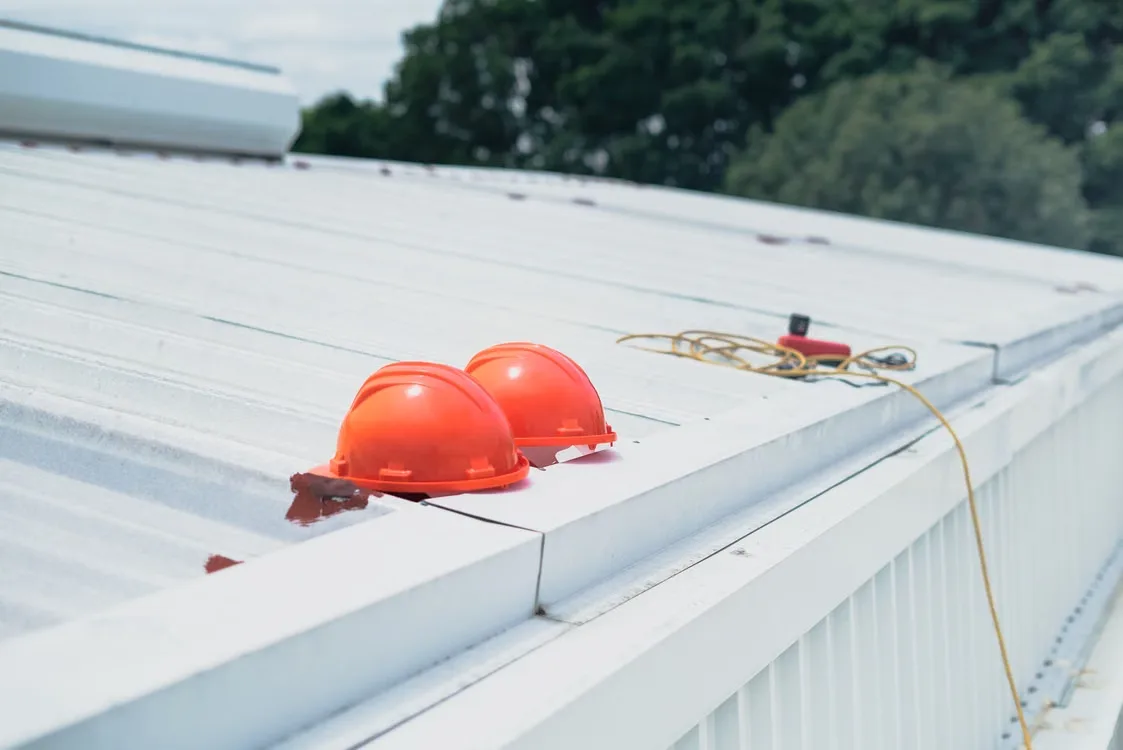
This is also the point to call for a professional, roof-level inspection rather than deciding on your own whether the damage is worth a claim. A trained eye catches bruised mats and lifted sealant strips that look fine from the driveway, which is the same detail-level check our hail damage roof repair team runs on every post-storm visit. Our storm, hail, and wind damage repair service provides this inspection free, with a photo report you keep whether or not you end up filing anything.
Hours 24 Through 48: Watch for the Wrong Kind of Help
Door-knockers show up fast after a hailstorm, and not all of them are scams, but this is exactly the window where pressure tactics do the most damage to an otherwise legitimate claim. If someone offers same-day pricing, asks you to sign before an insurance inspection has happened, or mentions covering your deductible, treat that as a stop sign. Our companion piece on storm-chaser warning signs covers the specific red flags separating a storm chaser from a legitimate local roofer, since a door-knocker after a hailstorm isn't automatically a scam, but certain signs consistently are.
By hour 48, you should have photo documentation, a confirmed storm date, and ideally a professional inspection report in hand. That puts you in position to file a clean claim rather than a rushed one.
The Missouri Clock That Starts Now
Once real damage is confirmed, the filing clock is already running. Missouri policies generally expect prompt notice of loss, and Missouri's Department of Commerce and Insurance publishes consumer guidance on what to check in your specific policy before you file. Our full Missouri roof insurance claim guide walks through the rest of the process from documentation through the adjuster meeting and, if needed, a supplement request.
Frequently Asked Questions
Do I really need to document damage within 48 hours?
There's no hard legal deadline at exactly 48 hours, but sooner is always better. Fresh damage is easier to tie to a specific storm date, and photos taken before any cleanup or rain washes away granules give you the strongest possible record.
Should I call my insurance company or a roofer first?
A roofer first is usually the better sequence. A free inspection tells you honestly whether there's a real, storm-caused claim before you put anything on your insurance record, which protects you from filing on damage that turns out to be minor.
What if I can't get on my roof to check for damage myself?
Don't. Ground-level photos of gutters, siding, and debris are enough for the first 48 hours. A trained roofer should be the one on the roof itself, since the damage that matters most for a claim often isn't visible from below.
Is emergency tarping something I should do myself?
If it's safe to reach without climbing onto a damaged or steep roof, a simple ground-level fix like moving belongings away from an active interior leak is reasonable. Actual roof tarping is a job for a professional crew that can do it safely and correctly.
How fast can a local roofer actually respond after a storm?
It varies by how widespread the storm was, but a local crew based in the area you're calling about should be able to respond within days, not weeks. That's part of why an out-of-state storm chaser's promise of instant availability is worth questioning.
Save This Before the Next Storm Hits
Spring hail season doesn't wait for a convenient time. Save this checklist now, and if a storm already hit, our post-storm inspection is free and starts the clock in your favor, not the insurer's. Call LSL Roofing at (314) 327-8842. We answer live 24/7 and offer same-day inspections.
Free, photo-documented inspection and a firm written price. No pressure, no in-home sales pitch.