
Ice Dams and Freeze-Thaw: Why Missouri Winters Loosen Flashing and Shingles
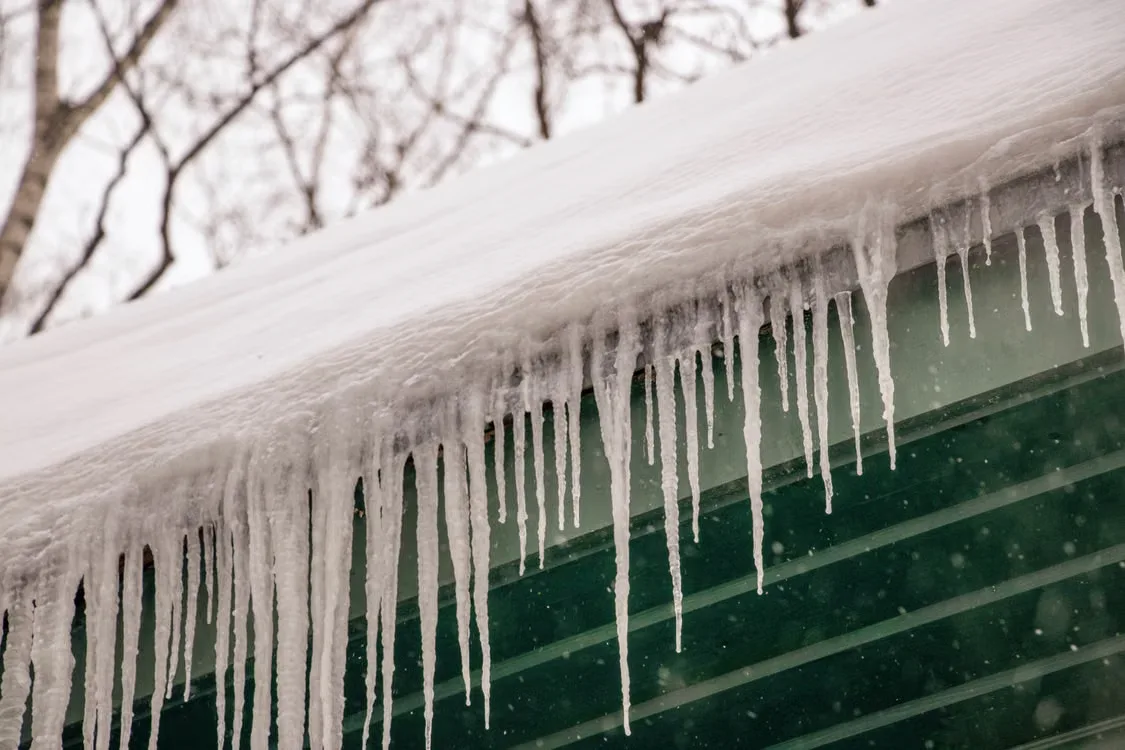
An ice dam forms when heat escaping into your attic melts snow on the upper roof, and that meltwater refreezes the moment it reaches the cold overhang, building a ridge of ice that backs water up under your shingles. Freeze-thaw damage is the slower, quieter version of the same problem: water works into small gaps in flashing and shingles, freezes, expands, and pries them apart a little more with every cycle. Both trace back to the same root cause more often than homeowners expect, and it isn't the shingles. LSL Roofing sees this pattern every winter across St. Charles County, and it usually starts in the attic, not on the roof surface.
Why Missouri's Climate Is Built for This
Missouri sits in what the state's own climate office describes as a continental climate marked by strong seasonality, where cold, dry air masses swing south from the northern plains and Canada throughout winter, then retreat as milder air moves back in. That back-and-forth is exactly the setup freeze-thaw damage needs. A single hard freeze does limited harm on its own. It's the repeated cycling above and below freezing, sometimes within the same week, that turns a small gap into a real problem over a season.
How an Ice Dam Actually Forms
The mechanism is more specific than "snow freezes on the roof." A well-insulated, well-ventilated attic stays close to outdoor temperature, so snow on the roof melts evenly, if at all, and runs off before it can refreeze. A poorly ventilated attic runs warmer than the outside air, which melts snow on the upper roof slopes even while the air temperature outside stays below freezing. That meltwater flows downhill until it reaches the roof overhang, which sits over unheated eave space and stays colder than the rest of the roof. There, it refreezes into a dam.
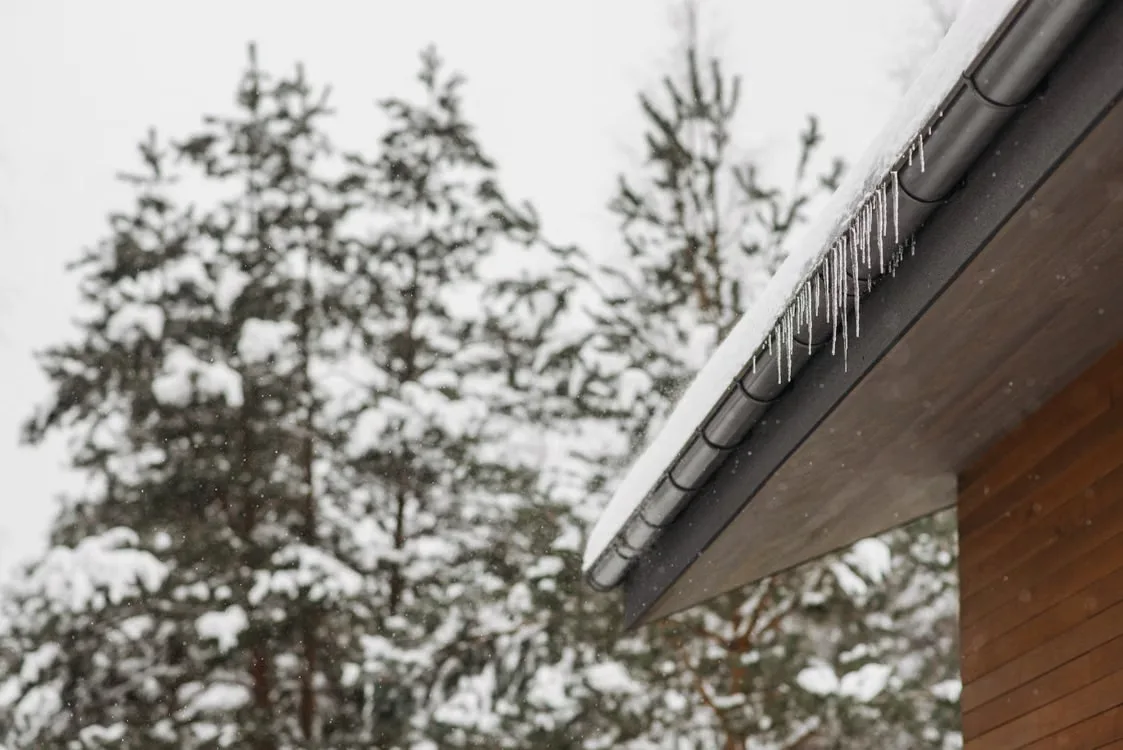
Once the dam forms, it doesn't just sit there. Water continuing to melt above the dam has nowhere to drain, so it pools behind the ice and works backward under the shingles, past the point they were designed to shed water. From there it can reach the decking, the insulation, and eventually your ceiling.
Building science research funded through the U.S. Department of Energy confirms the fix follows directly from the cause: attic ventilation reduces ice dam formation specifically by keeping the roof deck cold, which stops the uneven melt-and-refreeze cycle before it starts. That's the same balanced intake-and-exhaust system that shows up across every ventilation conversation on this site, because it's solving more than one problem at once.
What Freeze-Thaw Does to Flashing and Shingles Specifically
Ice dams get the dramatic reputation, but ordinary freeze-thaw cycling does its own damage without ever forming a visible dam. Water that gets under a shingle tab or into a small gap around flashing doesn't need a full ice dam to cause problems. It just needs to freeze in place. Water expands roughly nine percent in volume when it turns to ice, and that expansion happens inside whatever crack or seam the water settled into, whether that's a nail hole, a lifted shingle edge, or a gap where flashing meets a chimney or vent.
Repeat that cycle a dozen times over a Missouri winter and small gaps become bigger ones. Flashing that was snug in November can be visibly lifted by March. Shingle tabs that sealed properly can develop cracks along the sealant line. None of this requires a dramatic storm. It's cumulative, which is part of why it goes unnoticed until a leak shows up the following spring.
- Uneven snow melt on the roof, with bare patches near the ridge and snow still covering the eaves, is an early visual sign of an ice dam forming
- Icicles hanging from the gutter line often mean water is already backing up under the edge of the roof
- Flashing that looks slightly lifted at a chimney or vent in spring may have loosened gradually over winter, not from one event
- Interior ceiling stains that appear in late winter, after snow has been sitting on the roof for days, point toward ice dam backup rather than a simple leak
What Actually Stops Both Problems
The fix for ice dams and the fix for freeze-thaw shingle damage overlap almost completely, because both start with the same uneven attic temperature. Our attic and roof ventilation work sizes balanced intake and exhaust correctly to your attic's square footage, split between low soffit intake and high ridge or roof exhaust, which keeps the whole roof deck at a more even, colder temperature through winter. That stops the uneven melt that starts an ice dam in the first place, and it reduces the freeze-thaw cycling that gradually works flashing and shingle seals loose.
Where damage has already happened, isolated freeze-thaw wear, whether that's a lifted flashing detail or a section of shingles that took the brunt of a winter's worth of cycling, is usually a straightforward job for our roof repair team rather than a full replacement, provided the rest of the roof is sound.
Frequently Asked Questions
Does Missouri get cold enough for ice dams to be a real concern?
Yes. Missouri's winter pattern of swinging between cold air masses and milder stretches creates repeated freeze-thaw cycling, which is the exact condition that drives both ice dams and gradual flashing damage, even in a state that isn't thought of as a heavy snow region.
Will more roof vents fix an ice dam problem?
Not by themselves. Ice dams come from an imbalance between intake and exhaust, not a shortage of vents overall. Adding exhaust without matching soffit intake can leave the problem unresolved or make it worse.
Is it safe to remove an ice dam myself?
Chipping at ice on a roof risks damaging shingles underneath and risks a fall on a slick surface. A calcium chloride sock laid across the dam to create a channel is a safer short-term step; a professional should handle anything more involved.
Can freeze-thaw damage happen even without visible ice dams?
Yes. Ordinary water intrusion into small gaps around flashing and shingle seams freezes and expands with every cold snap, gradually loosening things over a winter without ever forming a visible ice ridge.
How do I know if my attic ventilation is the root cause?
The clearest sign is uneven snow melt, bare patches near the ridge with snow still sitting at the eaves, which points directly to a warm attic rather than outdoor temperature alone. A ventilation inspection can confirm it directly.
For the full picture on how attic airflow protects a roof year-round, not just in winter, see our post on attic ventilation problems that shorten roof life.
Get Ahead of Winter Before the First Freeze
A ventilation check before the cold sets in is far cheaper than repairing what a winter of freeze-thaw cycling leaves behind. Call LSL Roofing at (314) 327-8842. We answer live 24/7 and offer same-day inspections.
Free, photo-documented inspection and a firm written price. No pressure, no in-home sales pitch.