
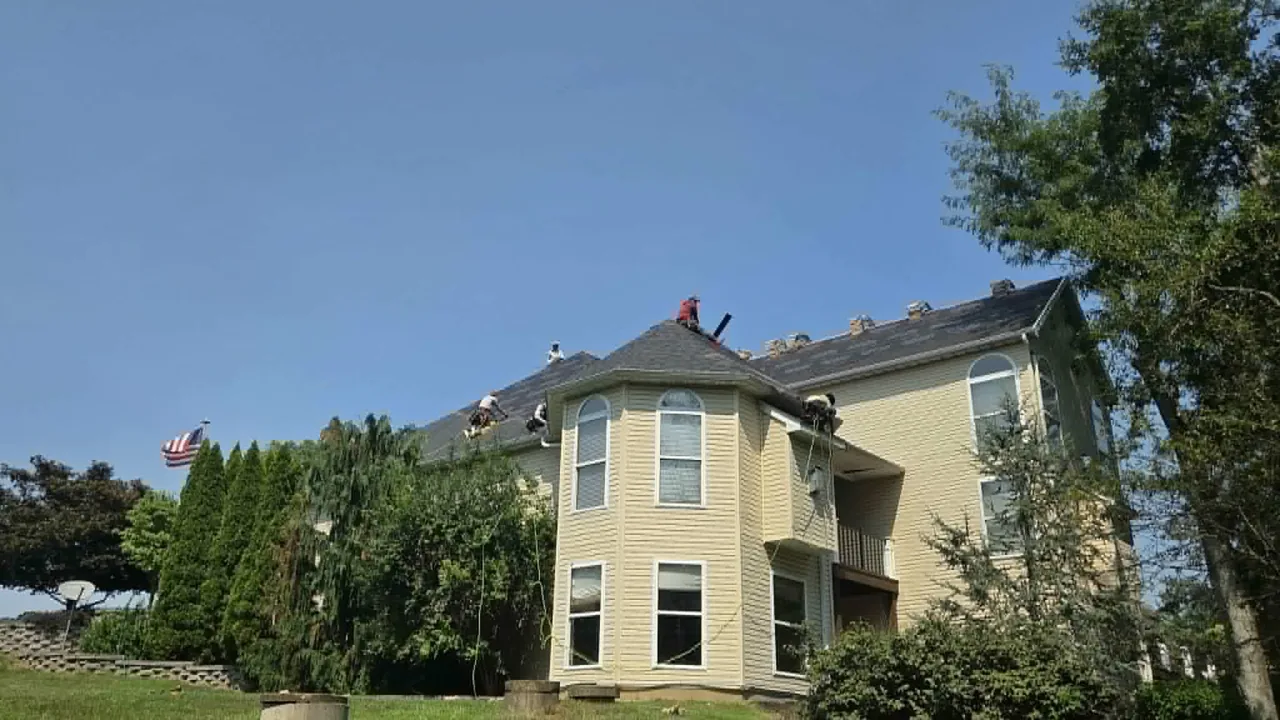
Storm-Chaser Warning Signs: What to Check Before You Sign Anything After a Hailstorm
Within a day or two of a St. Charles County hailstorm, someone in a truck with out-of-state plates is probably going to knock on your door, offer a free inspection, and tell you they've already found damage worth a full roof replacement. That doesn't automatically make them a scam, but — in our experience at LSL Roofing — does make them worth checking, and the checking takes about five minutes if you know what to ask.
What a Storm Chaser Actually Is
The term describes contractors who follow severe weather from state to state, arriving in a hail-hit neighborhood within days, signing as many contracts as possible over a few weeks, then moving on once the local insurance claims dry up. Some do adequate work. Many cut corners, use uninsured labor, or vanish before a problem surfaces. The pattern repeats after nearly every major hail event nationwide, and the Better Business Bureau consistently ranks storm-related contractor complaints among its most common categories following severe weather. The risk isn't that the work gets done badly today. It's that in three years, when a flashing detail leaks or a warranty claim comes up, there's no one local left to call.
Missouri Doesn’t License Roofers, Which Is Exactly Why This Matters
Here's the detail most homeowners don't know until it's too late: Missouri has no statewide roofing license. Roofers register with the Department of Commerce and Insurance and carry proof of liability and workers' compensation coverage, but that's registration, not a tested skills license.
Some cities layer their own requirements on top, and a legitimate local roofer should already know exactly which permits your specific job needs without you having to ask. The absence of a state licensing exam means the burden of vetting a roofer sits almost entirely with the homeowner, which is exactly the gap storm chasers are built to exploit.
The Warning Signs, in Order of Reliability
No local address you can actually visit. Ask where their office is, then look it up. A P.O. box, a residential address, or a number that only connects to a call center are all signals worth taking seriously. A contractor rooted in St. Charles County has a building you can drive to.
Out-of-state plates and a phone number that just appeared. A crew that showed up days after the storm in vehicles registered somewhere else, using a phone number set up for this particular storm season, isn't planning to be here for your five-year workmanship warranty.
Pressure to sign within the first visit. Legitimate roofers give you time to compare estimates. A pitch built around urgency, a sign-today discount, or a claim that “materials are already reserved” is a sales tactic designed to prevent the comparison shopping that would expose a bad deal.
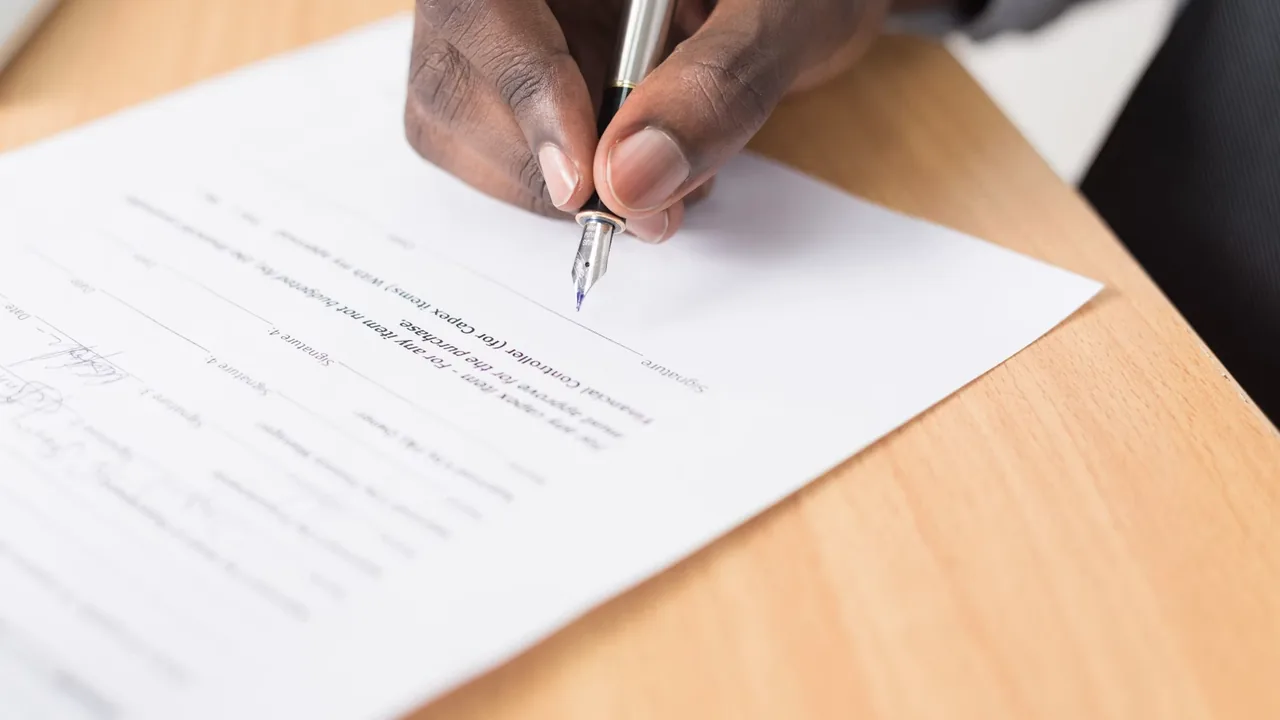
Any offer to waive, cover, or discount your insurance deductible. This is the clearest, least ambiguous red flag on the list. Waiving a deductible is insurance fraud under Missouri law, full stop, and it's your name on the claim if it's ever questioned. A contractor offering it either doesn't understand the law or is counting on you not to.
A large upfront deposit demand. Established roofers order material on credit and bill on completion or in staged draws tied to actual progress. A large deposit, or a request for full payment before work starts, is a common setup for a crew that has no intention of finishing the job.
Vague or one-line estimates. A real estimate names the shingle brand and line, the underlayment, flashing, tear-off scope, and total price in writing. A single number with no itemization hides the substitutions that turn a fair bid into a bad one.
No certificate of insurance, or one they're reluctant to produce. Ask for it, then call the agent listed on it to confirm the policy is active. That call takes five minutes and protects you from real liability if a worker is hurt on your property.
| Category | Storm Chaser Pattern | Legitimate Local Roofer |
|---|---|---|
| Presence | Arrives days after the storm, out-of-state plates | Established local office you can visit |
| Sales approach | Same-day pressure, urgency tactics | Time to compare estimates |
| Deductible | Offers to waive or absorb it | Bills it as your legal responsibility |
| Estimate | One-line quote, vague scope | Itemized materials, tear-off, and total price |
| Insurance claim | Claims to “handle everything,” may inflate scope | Documents real damage, meets your adjuster honestly |
| Warranty | Short or unclear, company won’t exist to honor it | Written workmanship warranty from a company still here in five years |
Questions That Separate the Two in One Phone Call
Ask any roofer knocking on your door these exact questions before anything else. A confident local contractor answers all of them without hesitation.
- Where is your local office, and how long have you worked in St. Charles County?
- Can I see your certificate of insurance for general liability and workers' compensation?
- Are you registered with the Missouri Department of Commerce and Insurance?
- What manufacturer certifications do you hold, and what warranty can you register on my roof?
- Will you give me an itemized written estimate before I sign anything?
- What is your workmanship warranty, and who handles a claim under it?
- Can you give me three local references from jobs completed in the past year?
A storm chaser tends to get vague, deflect, or grow impatient with this list. That reaction tells you as much as the answers do.
What to Do Instead of Signing on the Spot
Don't sign anything from a first door-knock, however confident the pitch sounds. Get your own inspection from a company you can verify locally, whether that's LSL or another established St. Charles County roofer, and compare at least two or three itemized estimates before committing.
Contact your insurer directly to open the claim rather than letting a contractor “handle” that step for you, and keep your own copy of every photo and document generated along the way.
Frequently Asked Questions
Is every out-of-town contractor after a storm a scam?
No. Some are experienced crews genuinely helping with a surge in local demand. But the risk profile is different, and the same vetting questions apply regardless of intent, since a well-meaning but transient crew still leaves you without local support later.
Why would a company offer to cover my deductible if it's illegal?
Because it's an effective sales tactic that works on homeowners who don't know it's fraud. The offer benefits the contractor by winning the job on the spot; it exposes the homeowner to legal and insurance risk that the contractor doesn't share.
How do I verify a roofer's insurance is actually current?
Call the insurance agent or carrier listed directly on the certificate they hand you, not a number the contractor provides separately. Confirm the policy is active today, not just valid on the date printed on an old document.
Should I get a second opinion if I already signed with a door-knocker?
Yes, especially if you haven't paid a deposit yet. A second inspection from a verified local contractor before work starts costs nothing and can catch a bad contract before real money changes hands.
Does a low price always mean a storm chaser?
Not always, but it's worth asking why. Comparing itemized estimates line by line usually reveals what a lower bid left out, whether that's thinner underlayment, no new flashing, or uninsured labor.
Verify Before You Sign
LSL Roofing has been based in Lake Saint Louis, not passing through it, and Tony's roughly thirty years of hands-on roofing experience and CertainTeed Master Craftsman standing are things you can verify before we ever climb your roof. We give every homeowner a free, no-pressure inspection and a firm written price, never a deductible waiver or a same-day signature deadline.
Read our full guide to choosing a roofing contractor in Missouri for the complete vetting checklist, learn more about our crew, or book a free roof inspection before you sign anything with anyone.
Free, photo-documented inspection and a firm written price. No pressure, no in-home sales pitch.