

What Happens When the Insurance Adjuster Comes to Look at Your Roof (and Why We Meet Them There)
The adjuster meeting is the single moment that decides most of what your roof claim pays. An insurance adjuster spends somewhere between fifteen and forty-five minutes on your roof, and whatever they see, measure, and write down in that window becomes the scope your claim gets settled against. If real damage gets missed because nobody pointed it out, that damage typically doesn't get a second look unless you push for one. It's the exact moment LSL Roofing exists to be standing next to you for.
Here is what actually happens during that visit, what our role is when we stand on the roof with your adjuster, and why the meeting itself, not the paperwork before it, is where most claims are won or underpaid.
Before the Adjuster Ever Shows Up
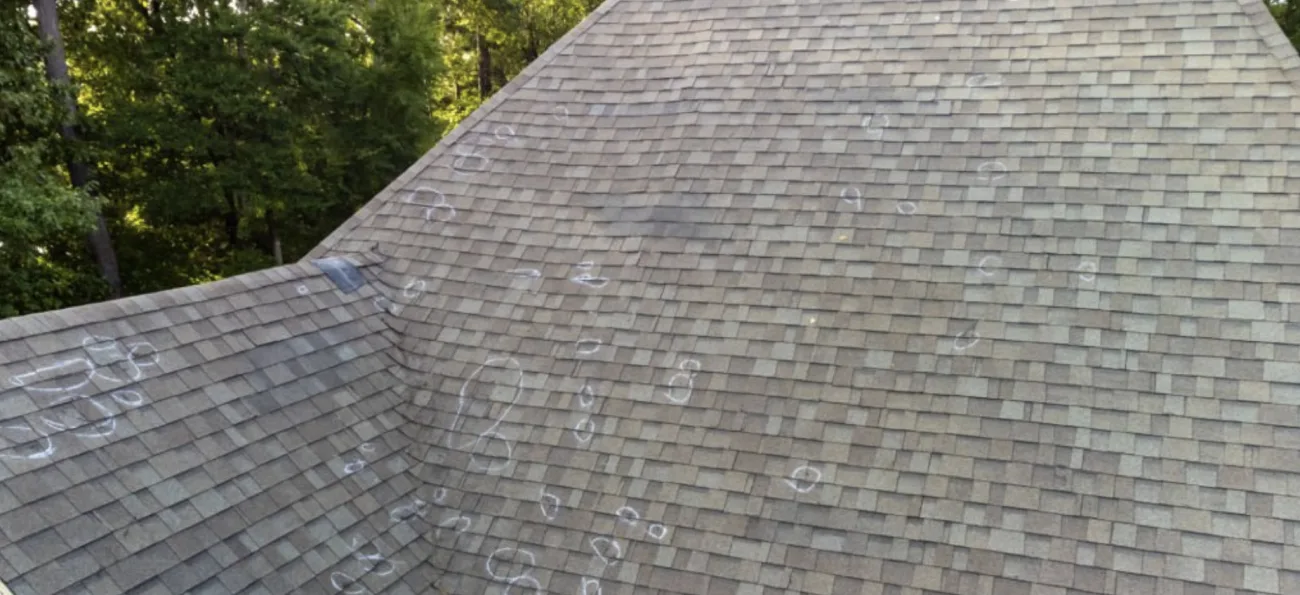
By the time an adjuster is scheduled, we've already been on your roof once through a free hail damage inspection. We chalk-test suspect shingles, photograph every slope, and document fractured mats, dented flashing, and granule loss the way an adjuster is trained to look for it, not the way it looks from the driveway. That inspection report becomes the baseline we're walking the adjuster through, not a guess we're making up on the spot.
We also confirm the storm date against a local weather record, gather your policy number, and make sure the claim was filed within your carrier's notice window before the visit is even scheduled. None of that is complicated, but skipping it is exactly how a legitimate claim ends up denied for documentation gaps instead of a genuine coverage dispute.
What the Adjuster Actually Does on Your Roof
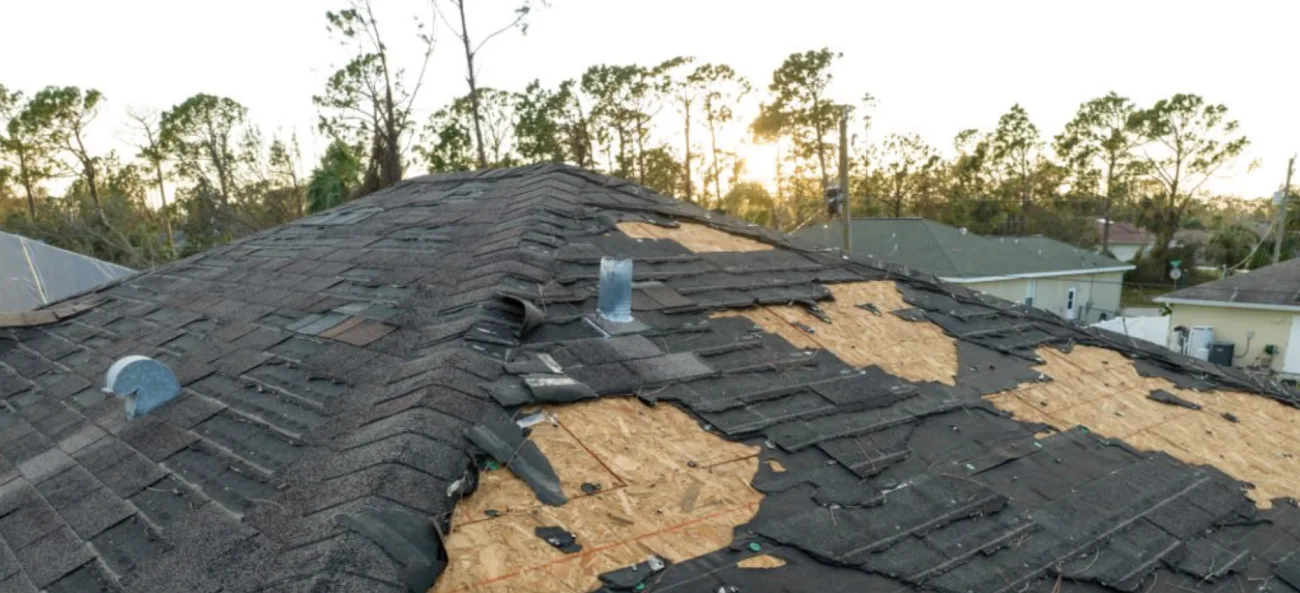
Most residential adjusters cover a large territory, especially after a major regional storm, and the visit moves quickly. They'll typically chalk-test a sample area of the roof rather than every shingle, check accessories like vents, flashing, and gutters for matching impact marks, and take their own photos to document what they find. Their job is to form an independent scope of the loss, not to confirm whatever your contractor already wrote down.
That independence is exactly why having someone on the roof with them matters. An adjuster working alone, moving fast across a busy storm season, can miss a fractured mat that isn't obviously visible or skip a damaged accessory tucked behind a chimney. Two trained sets of eyes on the same roof catch more than one.
Our Role at the Meeting, and What We Don't Do
We meet your adjuster on the roof, walk the same slopes we already documented, and point out the specific damage in our report, the fractured mats, the dented vents, the granule loss pattern. We speak the same technical language an adjuster uses, which shortens the conversation and reduces the chance something legitimate gets waved off as cosmetic.
What we don't do matters just as much. We are a roofing contractor, not a public adjuster, and Missouri law is specific about that line: a contractor cannot represent or negotiate a claim on a homeowner's behalf, and cannot advertise or promise to cover any part of a deductible as an inducement to get the job. We stay inside that line on every job. We document, we point, we answer technical questions about what we found. We do not tell your adjuster what your claim is worth, and we never offer to waive your deductible to make a sale easier. That's your claim, filed in your name, and it should stay that way.
- We arrive with your inspection report, dated photos, and the storm date already confirmed
- We walk the roof alongside the adjuster, pointing to documented damage on each slope
- We answer technical questions about fractured mats, flashing, and accessory damage
- We do not negotiate your settlement amount or act as a public adjuster
- We follow up with you afterward on what was scoped and what, if anything, still needs addressing
After the Meeting: Scope, Payment, and What Comes Next
Once the adjuster finishes, they submit their scope to the insurer, who issues a settlement letter with the approved line items and payment amount. If your policy pays replacement cost value rather than actual cash value, expect an initial payment based on depreciated value first, with the remainder released once the work is complete and invoiced. If something in the scope looks short, that's the moment to request a supplement rather than assuming the first number is final.
A supplement is a standard, routine follow-up, not an aggressive move. Hidden decking damage that only shows up once tear-off begins, code-required upgrades, or an accessory the adjuster's original scope missed can all be resubmitted with photos and documentation attached to the same claim number. Most legitimate scope gaps get resolved this way without ever escalating further.
If a genuine disagreement remains after a supplement request, and it isn't a documentation problem but a real dispute over value or coverage, most Missouri homeowner policies include an appraisal clause as a contractual next step. If the meeting itself resulted in a denied or underpaid claim, Missouri's Department of Commerce and Insurance handles consumer complaints about how a claim was handled if you believe the process itself was mishandled.
Frequently Asked Questions
Do I have to be present when the adjuster inspects my roof?
It helps, but the more important thing is having your contractor there. You can typically authorize your roofer to meet the adjuster in your place, though staying in the loop by phone or being present yourself is never a bad idea.
Can the adjuster deny my claim on the spot?
They can note the visit didn't support the claim, but a formal denial typically comes as a written letter afterward, not a verbal decision on the roof. That written reason is what tells you whether the next step is a re-inspection, a supplement, or something more.
What if I disagree with what the adjuster found?
Ask for the specific reasoning in writing, then have your contractor compare it against the documented damage. Most disagreements at this stage are documentation gaps, not coverage disputes, and those are usually fixable with a re-inspection or supplement.
Is it a red flag if a contractor offers to handle the entire adjuster meeting without me knowing anything?
It's worth asking questions if a contractor is vague about what happens at the meeting or promises a specific dollar outcome before the adjuster has even looked. A contractor's job is documentation and presence, not guaranteeing your settlement amount.
How long after the adjuster meeting until I get paid?
It varies by carrier, but once the adjuster's scope is finalized, the initial payment typically follows within a few weeks. Ask your adjuster directly for their timeline during the visit so you know what to expect.
We'll Be Standing Next to You, Not Just Handing You a Report
A fifteen-minute inspection window shouldn't decide what your claim pays. Get a documented inspection on file before the adjuster ever schedules a visit, so someone who already knows your roof is standing there with you when it counts.
Read our full Missouri roof insurance claim guide for the filing process from the very start, or see how ACV and RCV coverage changes what that settlement is even based on.
Free, photo-documented inspection and a firm written price. No pressure, no in-home sales pitch.